
luxury shopping during a crisis
Luxury Shopping During a Crisis: Why We Buy Status Items When Life Falls Apart
Megan found out about the layoff on a Thursday, at three in the afternoon. The email subject line read “Team Structure Changes.” She read it three times. She was looking for the word “termination” between the lines. It was there. It was just hidden behind a phrase about her role “ending” the following month.
She closed her laptop. She sat at the kitchen table for twenty minutes. She listened to the fridge hum. Then she picked up her phone and opened a website she had been checking for months. Not the affordable option. The bag. The one that cost two and a half thousand dollars. The one she had been saving “for someday.”
She bought it that night.
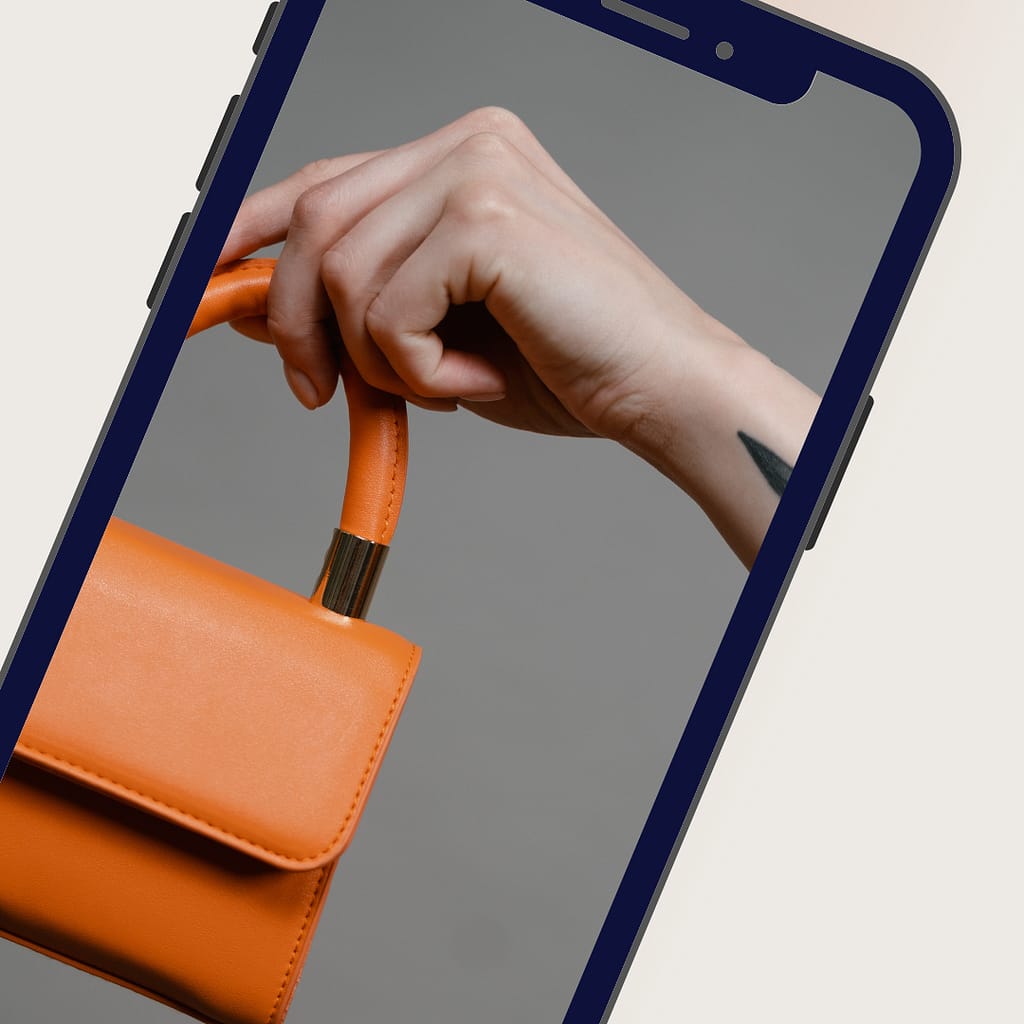
The next morning, the courier delivered the box. Megan opened it at the same kitchen table where she had read the layoff email. The leather smelled new. The clasp clicked shut with a dry, satisfying sound. She set the bag on a chair. She stepped back. She looked at it the way people look at something that has finally found its place.
She could not fully explain this, not to her husband, not to herself. There was no paycheck coming. The future was unclear. And in her hands was an item that cost almost a month’s income. Logic said this was reckless. But something quieter said: as long as I hold this, I am still who I was yesterday.
A week later, she wore the bag to a job interview. She noticed she stood a little straighter than usual.
Why Luxury Shopping During a Crisis Happens
What happened to Megan is not rare. It is not a character flaw either. It is a documented psychological pattern. Economists and psychologists call it compensatory consumption.
When a person faces a threat, a layoff, financial instability, or a general sense that life is slipping out of control, their sense of stability drops fast. The brain looks for a quick way to restore that feeling. One of the easiest tools available is a physical object. An object that signals status, competence, or belonging.
Several mechanisms drive luxury shopping during a crisis at the same time.
The Fear of Losing Ground
Terror management theory explains part of this. Research shows that when people are reminded of how fragile their circumstances are, they hold tighter to symbols that confirm their value and place in the world. A high-quality item works like an anchor. It says: I still exist. I still matter.
Identity Repair
When an external structure collapses, a job, an income, a routine, a person loses part of what defined them. Buying a status item restores that identity on a symbolic level. The real situation has not changed. The feeling has.
The Lipstick Effect
This one has a name. It appeared during economic downturns in the twentieth century. When people cannot afford major purchases, a house, a car, a vacation, they shift toward small, affordable luxuries instead. A lipstick. A fragrance. A well-made leather accessory. These items deliver a feeling of indulgence and control for far less money.
The Need for Control
A crisis almost always means a loss of control. A purchase, especially a planned one, is one of the few decisions a person still makes entirely on their own. They chose it. They paid for it. They hold the result in their hands. It is a small island of agency inside the chaos.
What Luxury Shopping During a Crisis Means for Marketing
For brands, this opens up a real opportunity. Not a cynical one. A careful one, if handled honestly.
During unstable periods, a message like “treat yourself, you deserve it” tends to underperform. It sounds shallow next to real anxiety. A message that acknowledges the context works better. People are not buying an item to forget their problems. They are buying it to get their footing back.
This leads to a few practical takeaways.
First, language about durability beats language about exclusivity. In hard times, people respond more to the idea of something that lasts than to something that simply shows off status. Durability becomes the new form of luxury.
Second, quiet luxury outperforms loud luxury. Visible logos and obvious status markers often feel out of place during a crisis. Understated quality, the kind only a few people notice, feels safer and less showy.
Third, a story about craftsmanship works better than a story about an exclusive circle. Right now, people care more about knowing an item was made with care. They care less about feeling separated from everyone else.
Fourth, treat the purchase moment as a moment of repair, not a moment of indulgence. The difference is subtle but real. Indulgence implies guilt. Repair implies dignity.
Megan’s story repeats itself thousands of times, in different versions, with different items and different price tags. The mechanism stays the same. When the ground shifts under someone’s feet, they are not looking for an escape. They are looking for something solid to hold onto. Brands that understand this difference speak to their audience more honestly. And, somewhat surprisingly, they sell more…
